
Vegetable garden tips for Southeast Michigan
Raised beds, tomatoes, seed starting and succession planting, timed for a mid-May last frost.
Open now and accepting customers for the 2027 season, including spring, in Macomb County.
Timing on these pages is general for Southeast Michigan (about USDA zone 6b). The last spring frost is typically around mid-May in Macomb County, but it varies year to year, so check the forecast before planting tender plants.
7 vegetables tips
Plant by season, not by the calendar alone
Cool-season crops such as peas, lettuce, spinach and radishes can be sown in early spring once the soil can be worked. Warm-season crops such as tomatoes, peppers, squash and beans go in after the last frost, typically mid-May in Macomb County, once the soil has warmed. Check the 10-day forecast before planting out.
Give vegetables full sun
Fruiting crops like tomatoes, peppers and squash need full sun: at least six to eight hours of direct light. Leafy greens and herbs tolerate a bit of afternoon shade.
Build raised beds you can reach
Keep beds about 4 feet wide or less so you can reach the middle without stepping on the soil, and 8 to 12 inches deep for most vegetables. Fill with a blend of quality topsoil and compost, and use untreated, rot-resistant lumber such as cedar.
Start seeds indoors on a countdown
Count back from the mid-May last frost using each seed packet's “weeks before last frost.” Tomatoes and peppers are commonly started indoors about six to eight weeks ahead. Keep lights a few inches above seedlings, and harden them off over a week or so by setting them outside for a little longer each day before transplanting.
Plant tomatoes deep and support them early
Tomatoes grow roots along any buried stem, so plant them deeper than they sat in the pot (or lay leggy plants sideways in a trench). Put stakes or cages in at planting time, mulch to cut down on soil splash, and water consistently at the base. Uneven watering is linked to blossom-end rot.
Succession plant for steady harvests
Instead of sowing a whole row at once, sow small batches of lettuce, radishes and bush beans every two to three weeks. In mid to late summer, sow fast cool-season crops like lettuce, spinach and radishes again for a fall harvest.
Rotate crop families
Avoid planting the same family in the same spot year after year. Tomatoes, peppers, eggplant and potatoes are all one family; moving them around helps reduce soil-borne disease build-up.
Vegetables how-to videos
Short videos from university extension programs. Click a thumbnail to play it here.


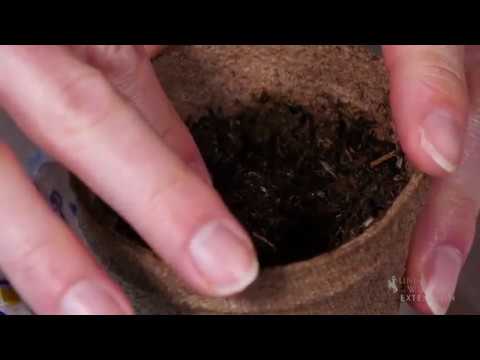
Videos are from their original creators and link back to the source. They are not produced by or affiliated with Savisa Cuts. All three are shared under Creative Commons Attribution (CC BY) by their publishers on YouTube; credits are listed under each video. Some videos mention timing for other climates, so use the Southeast Michigan timing in the tips above.
More tips: Gardening tips · Flowers tips · All tips
Veteran-owned. 20% off for veterans and first responders.
Savisa Cuts is a veteran-owned business, and we thank those who serve with 20% off for veterans, active military and first responders. Just check the box on the quote form.
Need help with your vegetables?
Savisa Cuts can take care of planting, bed care and seasonal cleanups. Request a quote and we'll follow up with clear pricing.
Veteran-owned. 20% off for veterans and first responders.
Open now: booking the 2027 season — accepting customers in Macomb County.